
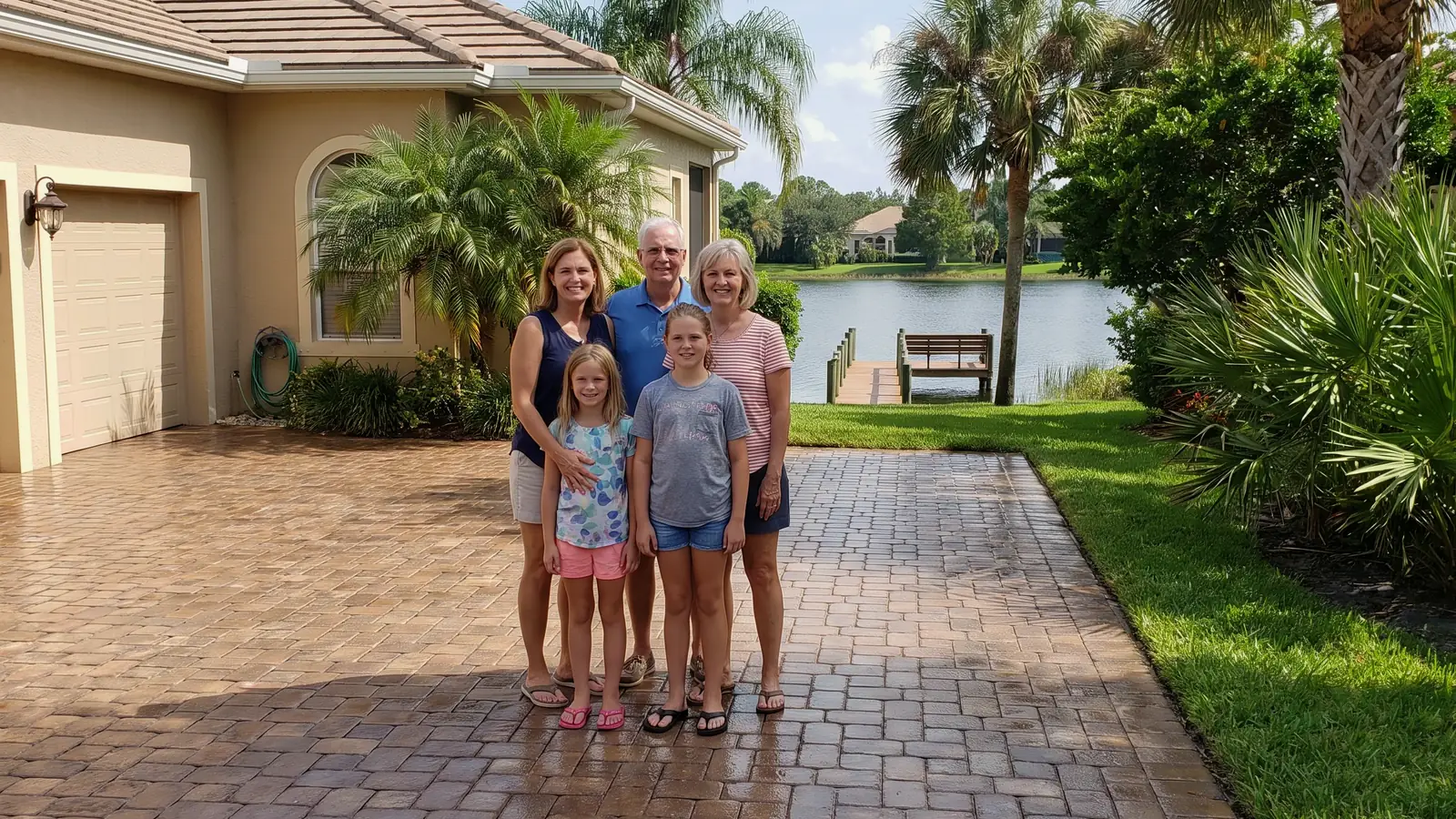
Paver sealing for Fruitville homes
Paver Sealing in Fruitville, FL
Fruitville pavers on old celery-field ground get a fresh start, so call (941) 214-2338 for a free estimate.
- Brings out deeper paver color
- Fresh joint sand helps lock pavers in place
- Gives weeds less room to grow
- Makes the surface easier to keep clean
- Free estimate, no obligation
Request a Free Estimate
Free, no obligation.
Fast, careful paver sealing in Fruitville
Need paver sealing in Fruitville? A local contractor will quote it for free and answer within 1 business day, usually much sooner. The work covers driveways, pool decks, walks and patios on lots along Fruitville Road and the streets around it. Dial (941) 214-2338 and ask for a visit.
Maybe the apron by your garage has gone gray, the joints hold a stripe of weeds, and the color looks tired next to the lawn. Cleaning, new sand and a fresh coat can turn that back into one steady tone. Prefer typing it out? request a free estimate and a reply follows.
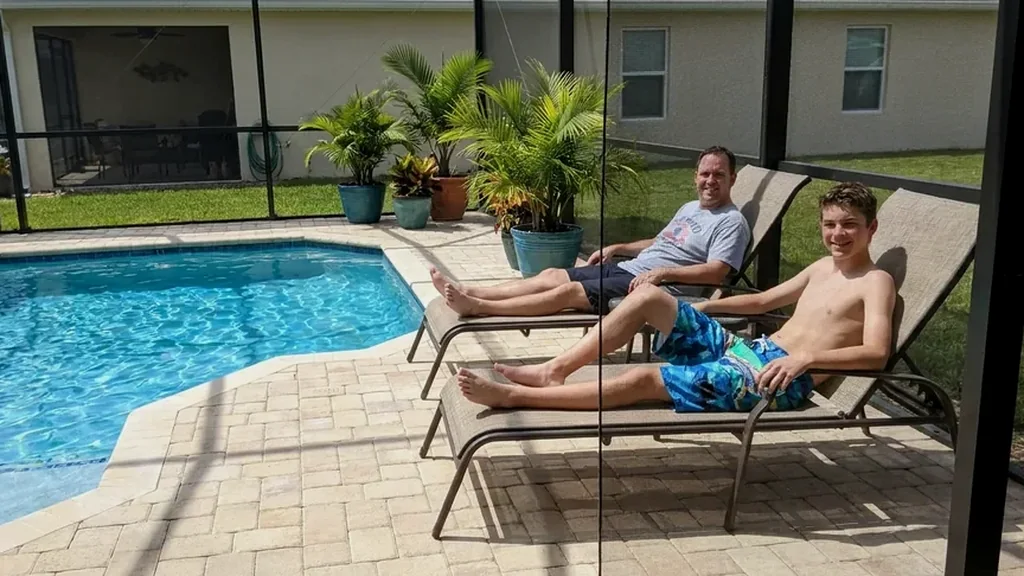
Why hire a local paver sealing contractor in Fruitville?
Fruitville sits on land that was once a drained marsh, and what is under your pavers matters as much as the pavers themselves. A local contractor who understands that can explain it plainly, so request a free estimate and ask.
Estimate at your door
Someone comes out to your lot, measures, and gives you a price on the spot. There is no fee for the visit. The price comes on paper.
A range to hold bids against
Companies around Southwest Florida publish $1.50 to $3.00 per square foot for the full job. That is your yardstick.
Look you can choose
Matte blends with a lawn and oaks. Wet look gives deeper color and shows scuffs sooner on a driveway. Ask to see both on a sample.
Free to say no
Ask for the estimate and keep your options open. A date is set only when you are ready.
Get Your Free Estimate in Fruitville
Tell us about your pavers in Fruitville.
Free, no obligation
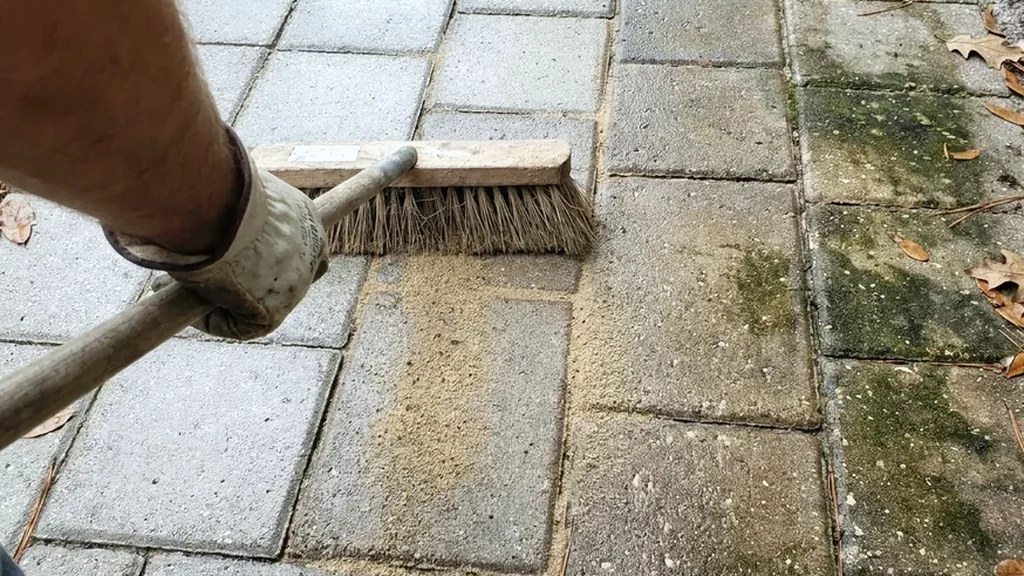
What paver problems show up most in Fruitville?
A base that began as wet ground
Fruitville was once a big sawgrass swamp. Drainage in the 1920s turned about 8,000 acres into farmland, and the Celery Fields still serve as a stormwater facility. Florida's state soil, Myakka fine sand, can hold its water table within 10 inches of the surface for months. Wet, sandy ground under a driveway can settle, which means sunken pavers should be reset before any sealer goes on. A quick press of the driveway edge with a boot often shows whether the base has moved. The contractor goes further, checking joint lines for steps between neighboring stones. On a lot like that, the contractor may also suggest a check of the edge restraints that hold the pavers in.
Joint sand that vanishes in heavy rain
Yearly rain in Sarasota County totals about 49 inches, with most of it between March and November. Sand between pavers washes out in that kind of rain. Open joints take in soil, and weeds root in it soon after. A North Port company notes that sealer and algae fail first where storms have washed sand from under pavers. Look at the apron and the spot under any gutter spout, because water runs hardest there. A top-up of sand first means the sealer sits on filled joints, not holes. Ants and weeds follow open joints, so refilling them is worth the time.
Orange rust marks from irrigation
Extension specialists at the University of Florida say iron is high in most well water around the state. On larger Fruitville lots with a well and sprinklers, that can leave orange streaks on the pavers. The marks sit on the surface, and sealer would lock them in. They should be treated before the new coat. Rust is easiest to treat while it is still fresh. Older stains may fade without fully vanishing, so the contractor will tell you what to expect. Aiming the sprinkler away from the stone keeps fresh rust off. Whatever sits under the coat stays there, so timing matters.
Green growth in damp, shaded corners
Moss and algae show up on pavers where shade is heavy and water lingers. With the water table high for part of the year in this area, low and shaded corners stay damp longer. A patio against a north wall is the usual spot. Washing has to finish and the surface must dry before sealing. Fallen citrus leaves and oak debris hold moisture against the surface and feed the green. The contractor looks at those corners first because they decide how long the dry time will be. A corner that never gets sun will need the same attention again later.
Sealer from several owners
Fruitville has grown from a small farming place into a community of 15,484 people. Homes have changed hands, and a driveway may carry layers of different products. Water-based sealer is the wrong choice over a solvent-based coat. The contractor checks the surface first and picks the next coat to suit it. Peeling or whitish patches hint that the old coat is on its way out. Saving a receipt or bottle from a past job can answer the question in a minute. That one check prevents a sticky or cloudy result that is hard to fix.
How does Fruitville's farm history affect paver sealing today?
It matters because the ground under your pavers was shaped by drainage. In 1923 a drainage district dredged a canal to Phillippi Creek and opened about 8,000 acres to crops, including celery. The land stayed soft and rich, and sandy flatwoods soil nearby holds water close to the surface for months. Point out any sunken spots as you request a free estimate.
The Celery Fields, off Palmer Boulevard and Raymond Road, is now a stormwater facility that protects homes downstream along Phillippi Creek. Fruitville Elementary dates to 1941 and the Fruitville Library to 2001, so the area mixes older farm-era lots with later homes. When you call (941) 214-2338, say which kind of street is yours. That mix shapes what is under each driveway.
Brown's Grove near the eastern end of Fruitville Road has grown citrus since 1915, a reminder of the groves that gave the place its name. Larger lots and mature trees are common around such land, and trees mean shade and fallen leaves on pavers. Pavers under an oak or a citrus tree? request a free estimate and say so.
What does paver sealing cost in Fruitville?
Across Southwest Florida the published range is $1.50 to $3.00 per square foot for a clean, sand and seal. A Fruitville job moves within that range with shade growth, rust, lost sand and any old sealer that must be stripped. request a free estimate for a figure on your driveway and patio. Your quote reflects what is on your lot, not a flat guess.
Lot size counts here too, since many Fruitville properties have wide driveways and larger patios. The total grows with the area even if the rate stays flat. Phone (941) 214-2338, and the contractor will measure each area and walk you through the price lines. Extra patios or a pool deck are measured into the same total.
| Paved area | Typical example | Clean, sand and seal |
|---|---|---|
| 300 sq ft | Small patio or walkway | $450 to $900 |
| 600 sq ft | Two car driveway | $900 to $1,800 |
| 1,000 sq ft | Large driveway or pool deck | $1,500 to $3,000 |
| 1,500 sq ft | Driveway plus pool deck | $2,250 to $4,500 |
Math based on the $1.50 to $3.00 per square foot that Southwest Florida paver companies publish. Your contractor sets the actual price after seeing the surface. Repairs, leveling and stripping failed sealer are usually extra.
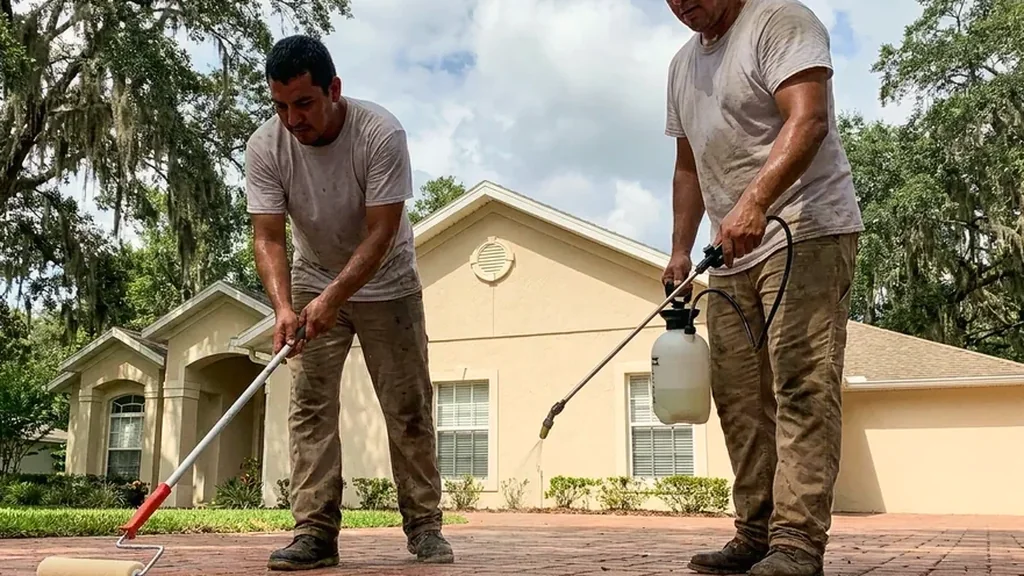
How does a paver sealing job work in Fruitville?
Inspect the base and the old coat
The contractor walks the driveway and patio, looking for sunken sections and checking how water drains. On ground that began as wet marsh, settling is worth ruling out first. Peeling or cloudy areas hint at an older sealer that has to be identified. Mention any spot where you have seen water pool after a storm, since that detail steers the repair plan. The contractor snaps pictures of weak spots to show you.
Clean off algae, rust and haze
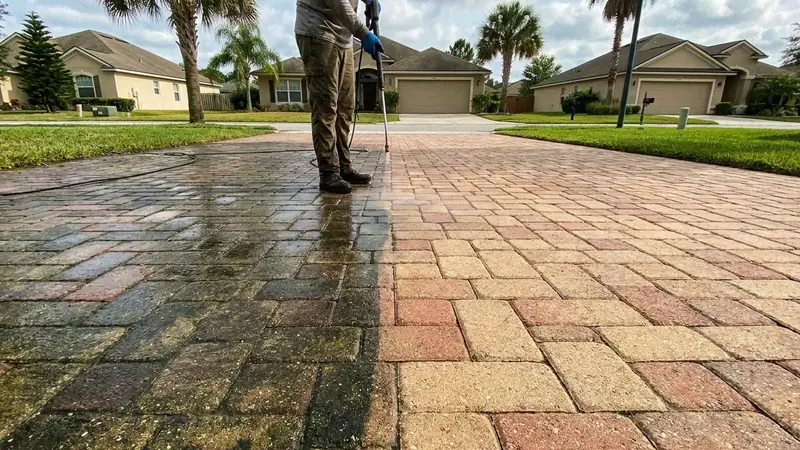
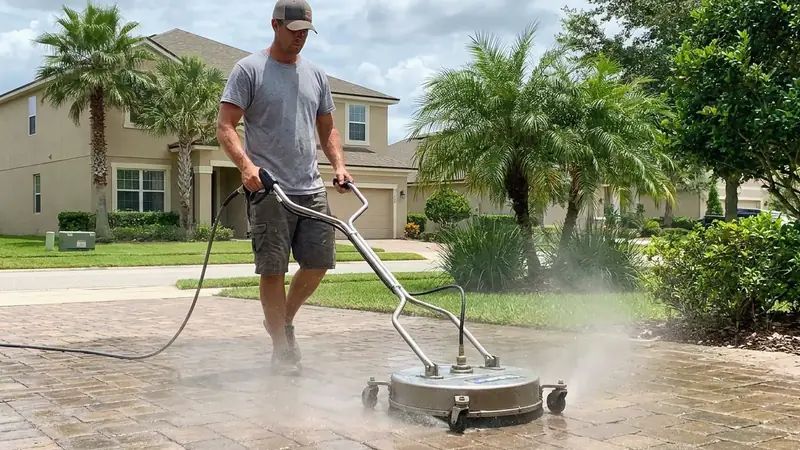
The wash takes dirt and green growth off the stones and out of the joints. Rust from sprinklers and white haze each get their own treatment before sealing. North-facing shade is usually the slowest spot to clean. Grit and rinse water are directed away from the street and from the neighbor next door, so nothing wanders off the lot. Rinse water is kept moving toward the lawn so the surface drains clean.
Refill the joints with sand
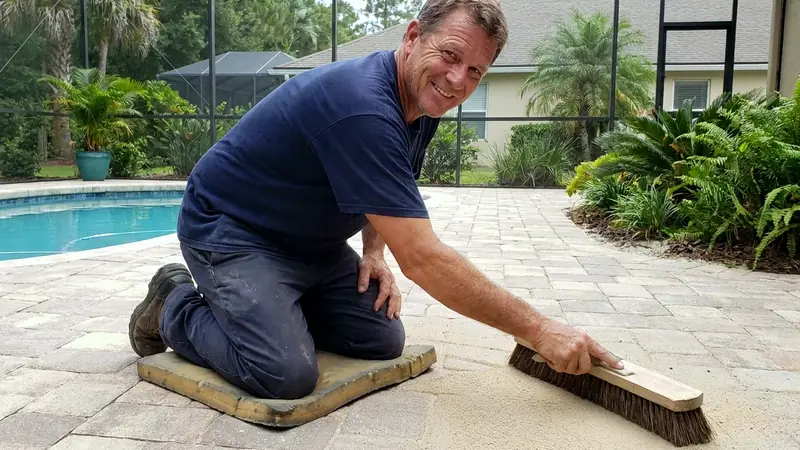
Joint sand leaves with the wash, so the gaps are refilled to the top. That keeps pavers locked together and gives weeds less to grab. With about 49 inches of rain a year, tight joints help a lot. Joint sand goes in by the broom, and leftovers are cleared so the surface stays clean. Lawn edges lose sand first, so they get a second pass.
Wait for a fully dry surface
Low and shady corners dry last, so they get tested first. Sealer put over a damp paver can turn cloudy. In the rainy season the right morning may take patience. Joints in the shade can stay wet after the surface dries, so the contractor tests a few of them. If rain moves in, the job waits, because a surface sealed damp can cloud.
Apply sealer and let it cure
The contractor lays down even coats and brushes sealer into the joints. Give the coat a quiet stretch before parking on it. Jot down which sealer was used, so the next coat can be the same. Where pavers meet the lawn, the contractor feathers the coat so no line shows. A day later, a quick look at the finish confirms that the coat set evenly.
Complete paver services in Fruitville
A Fruitville job begins with the ground rather than the surface. The contractor checks for sinking, rocking pavers and puddles that stay after rain. Those areas get repaired first, since sealer holds a dip in place. A call to (941) 214-2338 sets up the visit.
The same steps apply to drives, pool decks, entry walks and lanai patios, even though each one ages in its own way. Tires mark the drive, sun and splash age the deck, and shade greens the patio. Because the sealer cannot hide any of it, each stain is dealt with first. request a free estimate if you want to talk through each surface.
Choosing a sealer starts with finding out what is already on the pavers. The old coat is identified first, because a water-based product over a solvent-based one will not work. Matte is the quiet option, and wet look gives the richer tone. Ask for samples by calling (941) 214-2338.
Weather sets the date, since the pavers must be bone dry. September brings the most rain of all, and the wet season stretches from March to November. Feet wait a day and cars wait longer, a North Port firm reports. request a free estimate to pick a day.
Questions to ask before you hire
- Does the sealer you use leave a pool deck slick when it is wet?
- Does the quote include re-sanding the joints after the wash?
- What happens if an afternoon storm rolls in while the sealer is still curing?
- How do you protect my screen enclosure, lanai and plants from overspray?
- Is the sealer a film-forming finish or a penetrating one, and which suits my pavers?
- Do you rinse off salt spray and pool chemicals before the sealer goes on?
- What does your insurance cover if something gets damaged on the job?
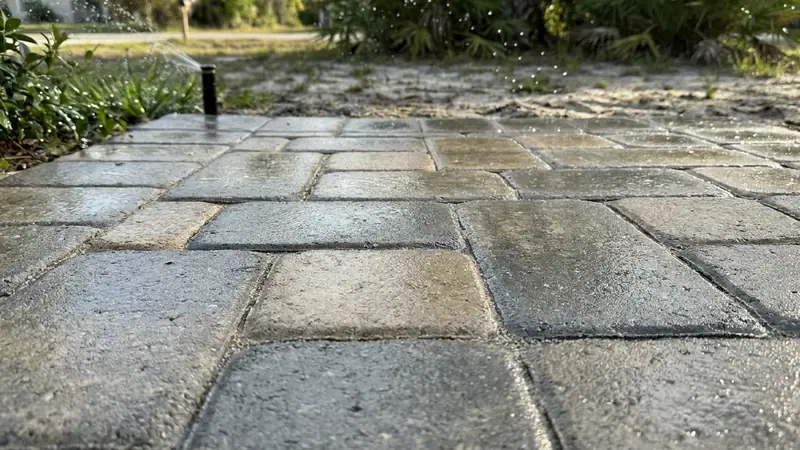
What do sealed pavers look like around Fruitville?
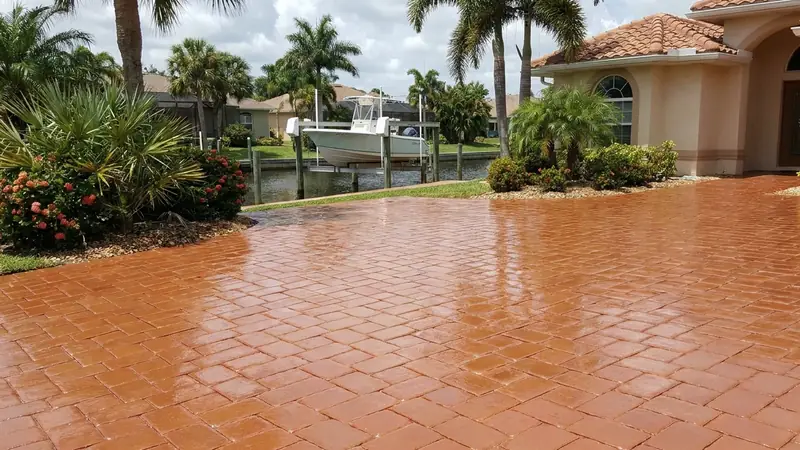
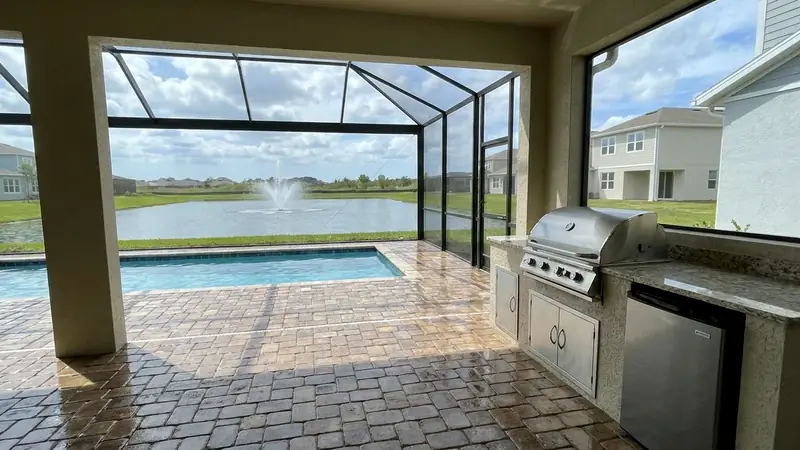
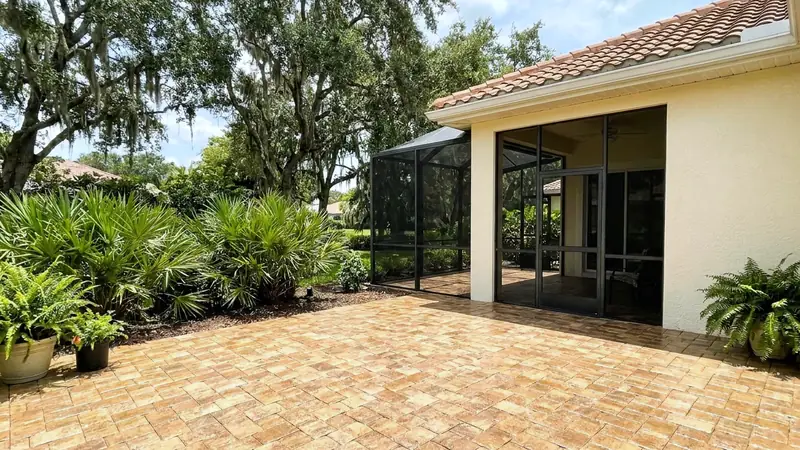
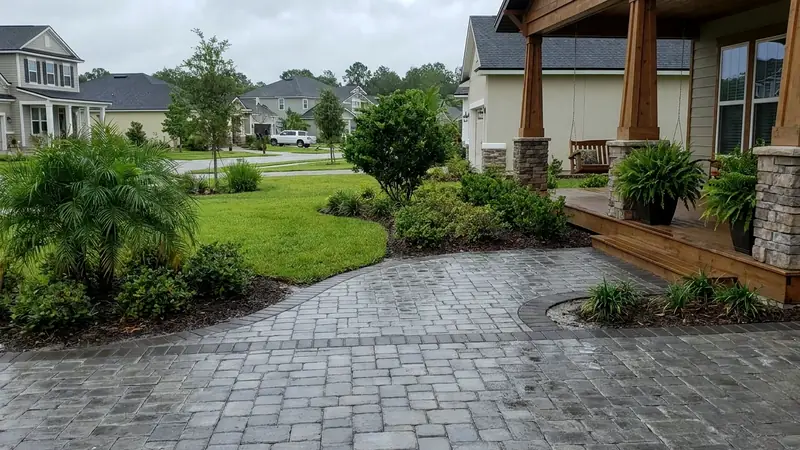
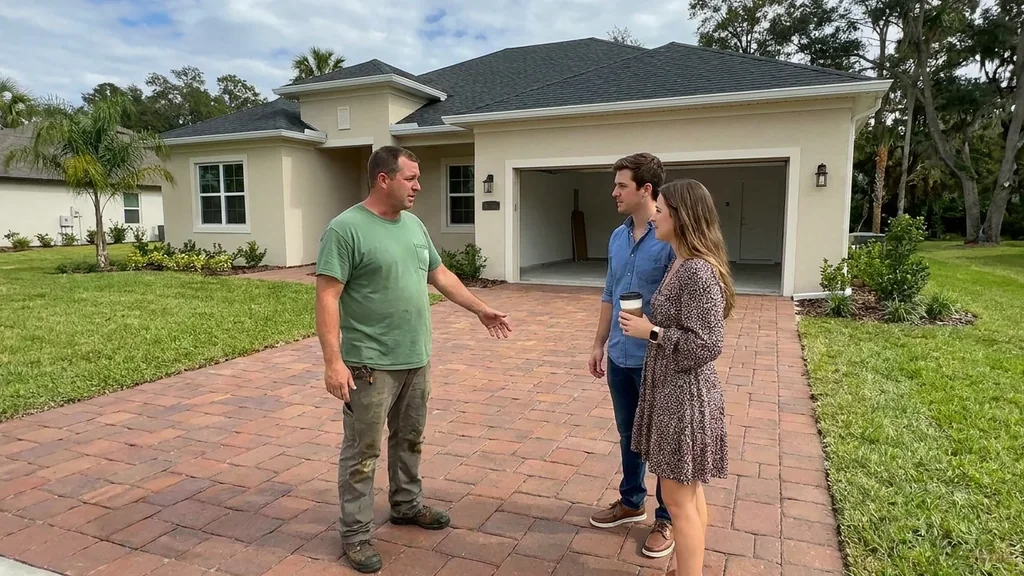
Why local matters in Fruitville
A contractor who works Fruitville knows that the ground here was once a marsh and then a field. That history explains why some driveways settle and why joints empty out after storms. Call (941) 214-2338 and ask how this fits your lot. It is a short call.
The calendar is where local know-how pays off next. The rainy season stretches from March to November, so dry windows are worth planning around. A contractor used to this pattern can offer a date that holds up. request a free estimate to learn when the next dry spell is due.
Familiarity with larger lots matters as well. Wide driveways and big patios take longer to wash and dry, and trees add shade. Someone who sees these lots often can price and plan them sensibly. Phone (941) 214-2338 to compare notes on your lot.
What is Fruitville known for besides its name?
Fruitville is known for farming that began with citrus and cattle and grew into the celery boom. Charles Reaves settled here in 1876 and is said to have named it for the fruit. Brown's Grove still sells oranges near the end of Fruitville Road. If you live near the groves, request a free estimate.
The Celery Fields are now a nature spot with an Audubon center at Center Road and Raymond Road. Phillippi Creek runs along the old marsh edge, and Franklin Field once sat north of Fruitville Road as an airfield in 1918. Whichever of these places is closest to you, (941) 214-2338 is the number to call.
Frequently Asked Questions
What does it cost to seal pavers in Fruitville, Florida?
Most jobs land between $1.50 and $3.00 per square foot, which matches published rates in Southwest Florida. A Fruitville job slides up or down that range with shade, rust, lost sand and old coats. Put the total area on the quote so bids compare fairly. Larger lots mean larger totals even at the same rate, so the area matters as much as the price per foot. A free estimate shows how those pieces add up for your own driveway and patio.
Does sealing pavers in Fruitville have any disadvantages?
Sealer wears and needs another coat in a few years. Wet look shows scuffs sooner than matte, and sealer needs a dry surface, which can delay a job during the rainy season. Settled pavers must be repaired first, which adds time. None of these is a reason to skip sealing, but each is worth hearing before you book. Ask the contractor to walk you through each one.
How often should pavers be resealed in Fruitville, Florida?
Coats are quoted at two to five years apart. A North Port firm puts driveways at roughly every two to three years. Deep shade or daily car use means check sooner. Pour a little water on a paver and watch. Water that beads up means the coat still works, while water that sinks in and darkens the stone means it is spent.
Which sealer is right for pavers in Fruitville?
Which sealer is best turns on the old coat and the finish you like. A solvent-based coat underneath rules out water-based sealer on top. Wet look deepens color and shows scuffs sooner, while matte stays quiet. The contractor will explain what suits your pavers. Ask the contractor to show you the container so you can match the product at the next coat. A short, plain answer from the contractor beats a brand name.
What do professionals use to seal pavers in Fruitville?
They use water-based or solvent-based sealer, chosen to match what is on the pavers. A North Port company says it puts three coats on driveways and two on patios and pool decks. Keep the product name the contractor gives you for the next round. The label also tells you what to use for the next job. Two coats are common on patios, and driveways often get more.
Do pavers near the Celery Fields need extra care?
They may, because the land around the Celery Fields was a marsh that was drained for farming. Wet, sandy ground can let pavers settle. The contractor will look for low spots and reset sunken pavers before any sealer goes on. Resetting those sections first gives the sealer an even surface to cover. A walk across the surface can show rocking stones that need attention.
Will sealing stop weeds in my Fruitville pavers?
Sealing helps, but only after the joints are cleaned and refilled with sand. Landscape experts say cleaning and sealing the joints discourages ants and weeds. Joints that stay full and sealed leave less room for seeds to start. Weeds that already grew in the joints should be cleared during the wash.
Can I seal my Fruitville pavers right after it rains?
No, the pavers need to be fully dry first. Low and shaded spots dry last, so the contractor checks them before starting. During the wet months, that can mean a short wait. Dew and shade can also keep joints damp, so the contractor may start later in the day. A clear, breezy day is best.
Ready for a Free Estimate in Fruitville?
Call (941) 214-2338 and tell us about your pavers.
Free, no obligation