
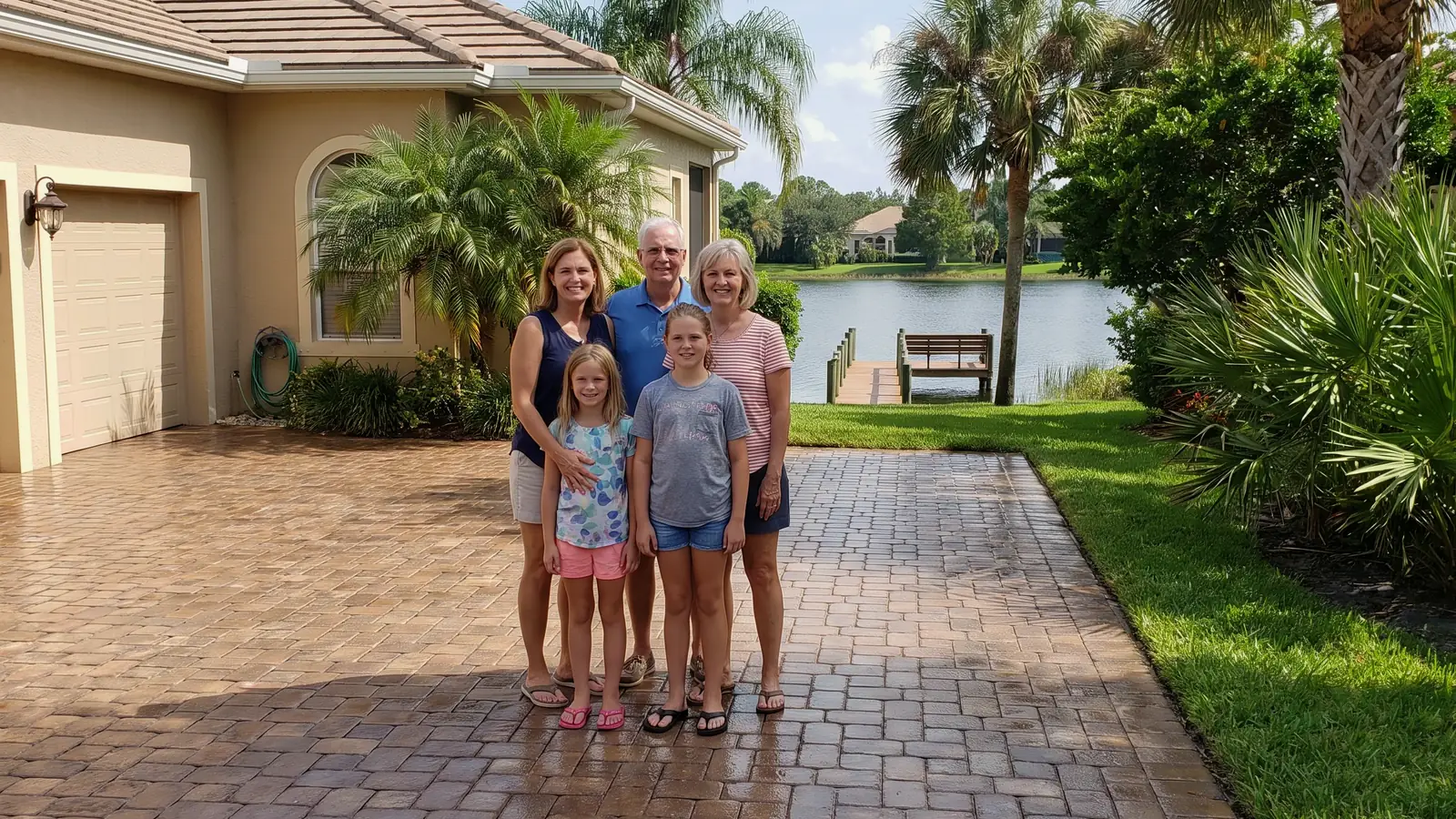
Paver sealing for Lakewood Ranch homes
Paver Sealing in Lakewood Ranch, FL
Around Lakewood Ranch's Main Street and the Braden River, faded pavers get a free sealing estimate when you call (941) 214-2338.
- Brings out deeper paver color
- Fresh joint sand helps lock pavers in place
- Gives weeds less room to grow
- Makes the surface easier to keep clean
- Free estimate, no obligation
Request a Free Estimate
Free, no obligation.
Fast, careful paver sealing in Lakewood Ranch
Paver sealing is available across Lakewood Ranch, from the villages near Main Street to the streets along the Braden River. Washing, joint sand and sealer cover the drive, lanai and pool deck, and the estimate is free. Dial (941) 214-2338, and the reply comes within 1 business day, usually much sooner.
Maybe your driveway pavers have gone a flat tan and ants have started building small hills in the joints. A wash, new sand and a fresh coat bring the color back to one even shade. Describe what you see when you request a free estimate.
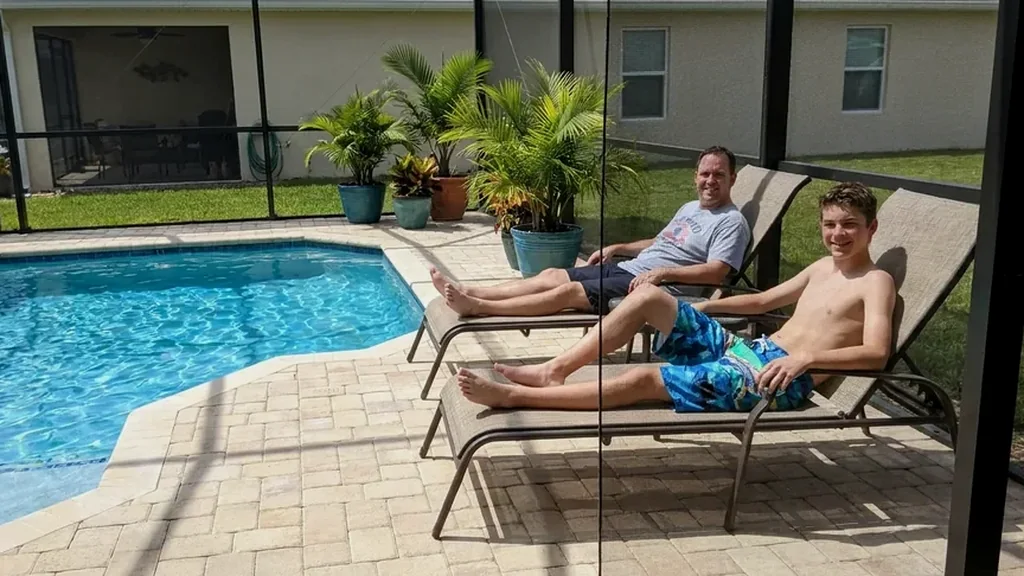
Why hire a local paver sealing contractor in Lakewood Ranch?
Since the mid-1990s Lakewood Ranch has grown one village at a time, so its pavers come from many builders and many years. A local contractor who knows the villages can read your drive quickly, so request a free estimate.
Look first
A contractor walks your Lakewood Ranch drive and lanai at no charge, then names a price. You decide after that.
A yardstick price
Regional companies publish $1.50 to $3.00 per square foot. Hold any Lakewood Ranch bid up to that range.
A village-friendly look
Matte blends into most fronts, while a wet look adds shine and shows marks sooner. A small test patch settles the choice.
The final say stays yours
Date, finish and go-ahead are all your calls. A Lakewood Ranch estimate carries no strings.
Get Your Free Estimate in Lakewood Ranch
Tell us about your pavers in Lakewood Ranch.
Free, no obligation
What paver problems show up most in Lakewood Ranch?
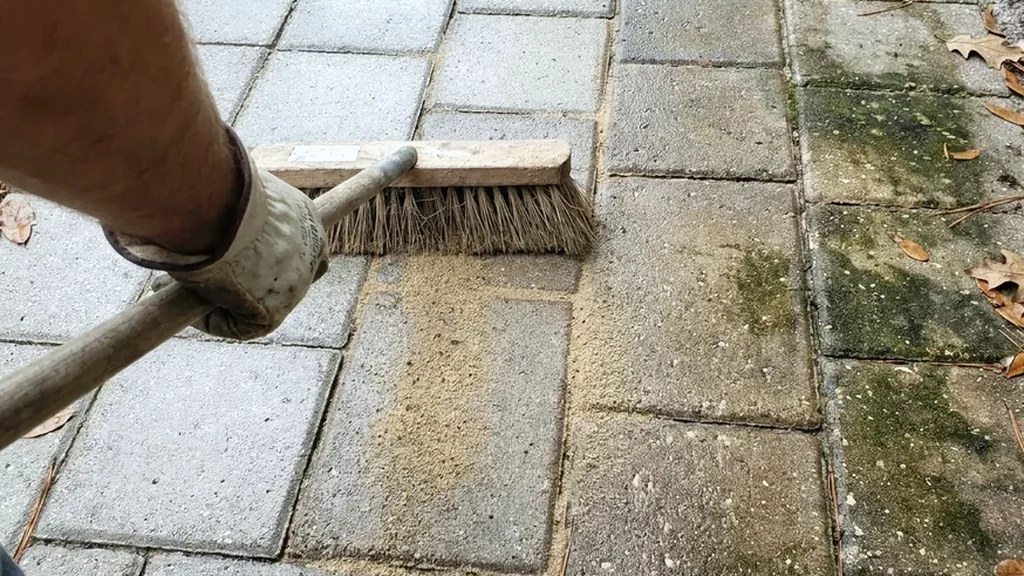
Weeds and ants in open joints
A Lakewood Ranch cleaning company says unsealed pavers tend to grow weeds in the joints and attract ant hills. Open joints are the doorway for both. A clean, sand and seal cycle keeps them out for two to three years, according to that company. If you can see gaps between your pavers or small mounds of sand, say so at the first visit. Both are signs the sand is low, and low sand lets stones shift. Refilling the joints and sealing them in place treats the cause, not only the symptom. That also saves a repeat visit in a year or two. Ants and weeds in joints are easy to miss on wide lots, since the garage apron and walks hide them from the street. A walk along the edges of the drive once a season shows what the sand is doing.
Fade on wide, open drives
Lakewood Ranch lots are often broad, and a long driveway takes sun from morning to evening. The same company lists fading among the first signs on unsealed pavers. Color loss is gradual, so it is easy to miss until you compare your drive with a freshly sealed one down the street. Sealer slows that fade, though it does not bring back color that is already gone. Ask the contractor to wet a small spot, since sealed pavers look richer, and you can judge the finish before committing to the whole drive. A small test spot costs the contractor little and spares you a finish you do not like. Summerfield, the first neighborhood, was finished in 1995, so some Lakewood Ranch pavers have seen a long run of sun. Newer villages are still on their first coats. Knowing your village's build year helps estimate how worn the surface might be.
Damp ground near the river
The Braden River crosses the southern part of the community and ends as a tidal estuary downstream. Homes near water, ponds and shaded landscaping can hold moisture on pavers longer after rain. Nearby Bradenton gets between 7 and 10 inches in each month from June through September. Damp pavers grow green film, and no coat can go on until they dry out. If water stands in one corner of your drive, tell the contractor, since that spot needs extra drying time before any coat. The same goes for shaded corners beside the garage, where the sun reaches late. The Braden River's tidal reach lies downstream, but the community's own ponds and preserved land also hold water. About 46 percent of the land is set aside for conservation and parks, so many lots back onto green space where shade and moisture linger.
A village's own review rules
The cleaning company notes that several Lakewood Ranch HOAs include driveway cleanliness in their architectural review standards. A stained or green drive can draw a notice. A wash and a fresh coat before that happens costs less than a second visit after one arrives. Check your own village's rules before choosing a color or shine. A short call to your community manager can confirm what is allowed, and it helps to keep any approval letter with your paver notes. A drive that looks clean from the street is less likely to draw a review letter at all. Notices usually give a deadline, and booking a wash and coat ahead of one keeps you from rushing. The contractor can also supply the product name and date for your records if your association asks.
Rust streaks from irrigation
University of Florida extension notes that iron-heavy well water, common across the state, leaves orange stains wherever it is sprayed. Sprinkler heads on large Lakewood Ranch lots often sit close to the driveway edge. Rust gets treated first, because sealing over it would trap the stain. Realigning a leaning sprinkler head cuts down on repeat streaks. Oil drips from parked cars are a separate problem and get their own treatment before the general wash. An old stain may need a stronger product than a fresh one. Large lots usually mean several sprinkler zones. Heads that lean toward the drive after a landscaper's visit can start streaking again. Ask your landscaper to check alignment after trimming.
Do the villages of Lakewood Ranch seal differently from one another?
In many cases, since the community has grown village by village since its first neighborhood, Summerfield, was finished in 1995. Older villages have pavers that may be on a second coat, while newer ones often need a first proper seal. Give your village name when you request a free estimate so the right history comes into the plan.
A Lakewood Ranch cleaning company names Country Club East, The Lake Club and Edgewater as villages with paver driveways. It adds that most homes built in the past 15 years have poured concrete drives, so pavers are a smaller group here. Call (941) 214-2338 and say what is on your drive so the contractor knows what to expect.
Some villages are gated, with clubhouses and pools, and others are open streets. Several HOAs treat driveway cleanliness as part of their review standards. A contractor can match the finish to your street and plan around shade, ponds and sprinkler spray. Share what is around your lot when you request a free estimate.
What does paver sealing cost in Lakewood Ranch?
Prices published around Southwest Florida run $1.50 to $3.00 per square foot for the wash, sand and sealer. In Lakewood Ranch the total follows the size of the drive, lanai and pool deck. A wide drive costs more than a narrow one at the same rate. To put a number on your lot, request a free estimate.
Condition counts as much as size. Weeds in the joints, old coats and heavy green film all add labor. A newer paver drive getting its first seal is often simpler than an older one with an unknown product on top. Phone (941) 214-2338 and ask which fits your village.
| Paved area | Typical example | Clean, sand and seal |
|---|---|---|
| 300 sq ft | Small patio or walkway | $450 to $900 |
| 600 sq ft | Two car driveway | $900 to $1,800 |
| 1,000 sq ft | Large driveway or pool deck | $1,500 to $3,000 |
| 1,500 sq ft | Driveway plus pool deck | $2,250 to $4,500 |
Math based on the $1.50 to $3.00 per square foot that Southwest Florida paver companies publish. Your contractor sets the actual price after seeing the surface. Repairs, leveling and stripping failed sealer are usually extra.
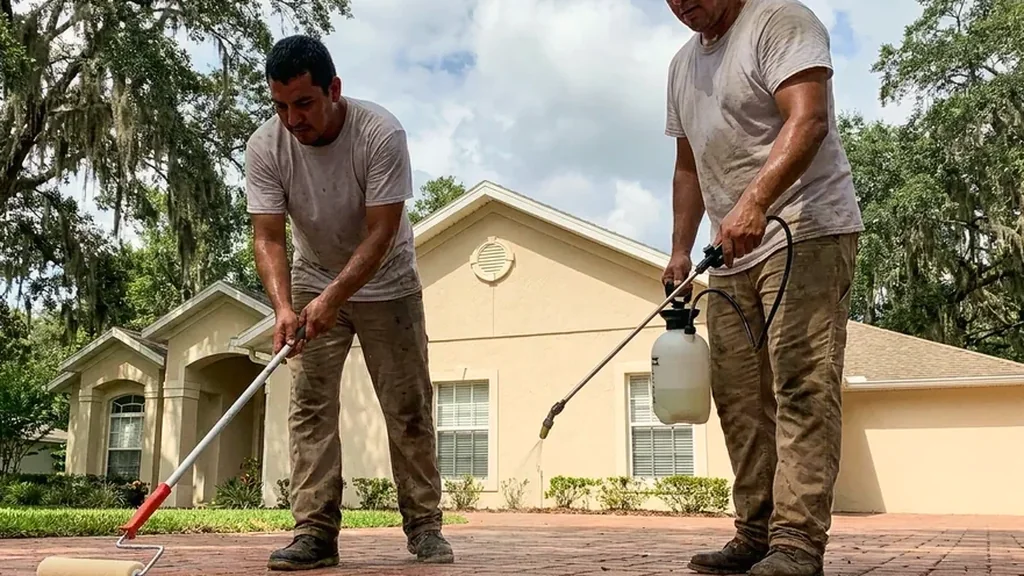
How does a paver sealing job work in Lakewood Ranch?
Inspect the village lot
The contractor begins by walking the driveway, lanai and walks, noting weeds, ant hills, low spots and where water sits. If the pavers were sealed before, the product matters, since water-based sealer cannot go over solvent-based. Tell the contractor about any HOA notice you received. That detail shapes the schedule. Point out rocking stones or low spots too, because those need a reset before the coat, not after it. Sealing over a loose paver only locks it in the wrong spot. Share the year your home was built if you know it, since that narrows down the likely coat history.
Clear weeds, rust and film
The wash removes algae, dirt, rust and oil from the pavers and out of the joints. Lakewood Ranch lots often have landscaping close to the edge, so rinse water is directed away from plants where possible. This is also the stage where sprinkler rust gets treated. Nothing goes under the sealer that does not belong there. Stubborn stains may take a second pass. Everything after this stage depends on a clean base. Oil spots from parked cars get their own treatment before the general wash.
Top up the joint sand
Washing takes sand out, so the contractor puts it back before sealing. A Lakewood Ranch company says sealing helps hold joint sand in place, which cuts weeds and shifting. Full joints also leave ants fewer places to build. A sweep afterward clears loose grains so none get sealed in. If the joints sat low for years, they may need more than one fill, and the contractor checks them again before the sealer goes down. That second look takes minutes and prevents gaps from showing through the coat. Joints beside the garage door often drain first, so they get a closer check.
Wait for dry pavers
Sealer needs a dry surface. Summer is the wettest season nearby, and shaded or pond-side pavers dry slowest. A careful contractor checks the forecast and waits when the surface is damp. Moisture sealed in under a coat can leave a cloudy film. That is why a skipped day costs less than a stripped driveway. Early starts also give the sealer more hours to set before the evening cools down. Landscaping beds can drip onto pavers, so edges near plantings get a second look.
Finish with your chosen look
The coat itself goes on in whichever finish you chose. Matte hides scuffs better, and a wet look shows more shine but marks sooner. Regional quotes run two to five years between coats, and one Lakewood Ranch company says two to three years suits most pavers. Get the product name in your quote and save it for the next round. Mark the date on your calendar, since the next coat will come due in a few years. A note in your phone is enough. Keep pets and bikes off until the contractor clears the surface for use.
Complete paver services in Lakewood Ranch
Lakewood Ranch jobs follow one sequence: wash, new joint sand, dry time, then sealer. The wash lifts green film, rust and dirt, and the coat goes on only when nothing dirty remains. Call (941) 214-2338 to ask how long each stage takes on your lot.
Long drives soak up sun for hours, and pool decks collect splashes and bare feet. Narrow walks beside the house stay shaded and turn green sooner. Each needs slightly different handling. List your surfaces when you request a free estimate.
Water-based and solvent-based sealers do not mix, so the coat already on your pavers decides what can follow. After that comes the look, matte or wet. Choose one your village will accept, and call (941) 214-2338 to talk it through.
Summer is the wettest stretch nearby, so a Lakewood Ranch date may move. Shaded and pond-side pavers dry slowest. Drier months give more room, and to find an open day, request a free estimate.
Questions to ask before you hire
- Do you rinse off salt spray and pool chemicals before the sealer goes on?
- How do you protect my screen enclosure, lanai and plants from overspray?
- Can you match a wet look or a natural look, and test a small spot first?
- Will you walk my pavers with me before you quote, or price them from a photo?
- What do you do about efflorescence, the white haze that comes up through new pavers?
- What happens if an afternoon storm rolls in while the sealer is still curing?
- How often should the pavers be resealed in this climate?
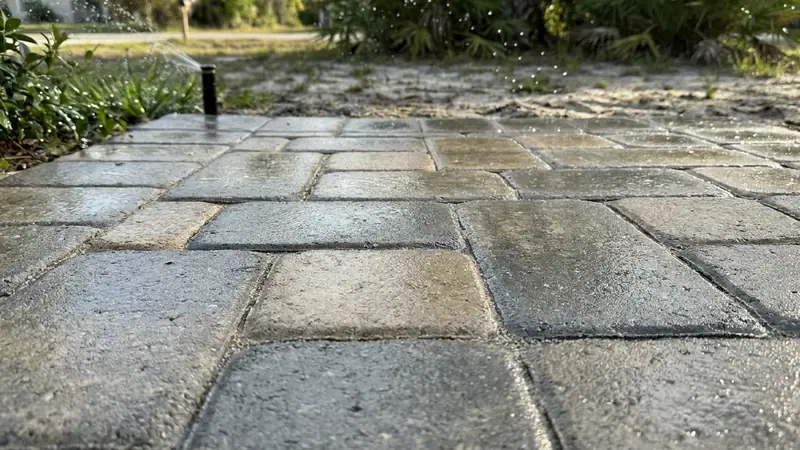
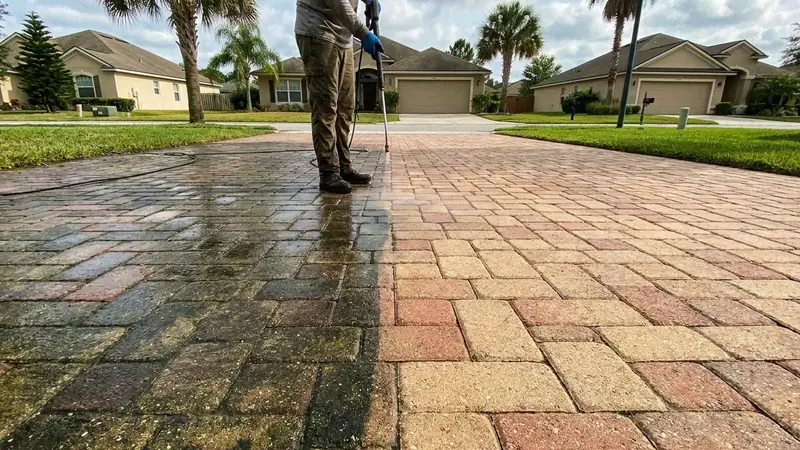
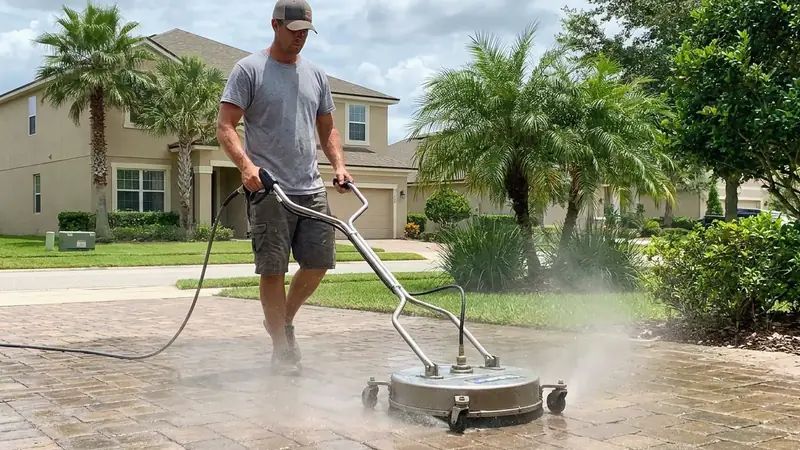
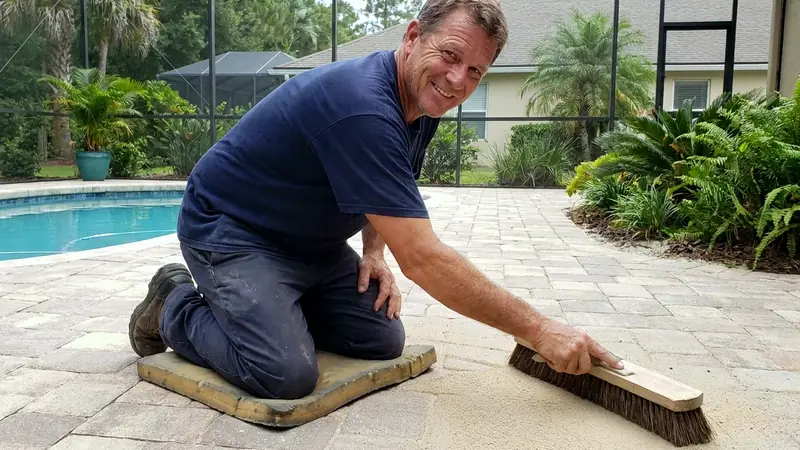
What do sealed pavers look like around Lakewood Ranch?
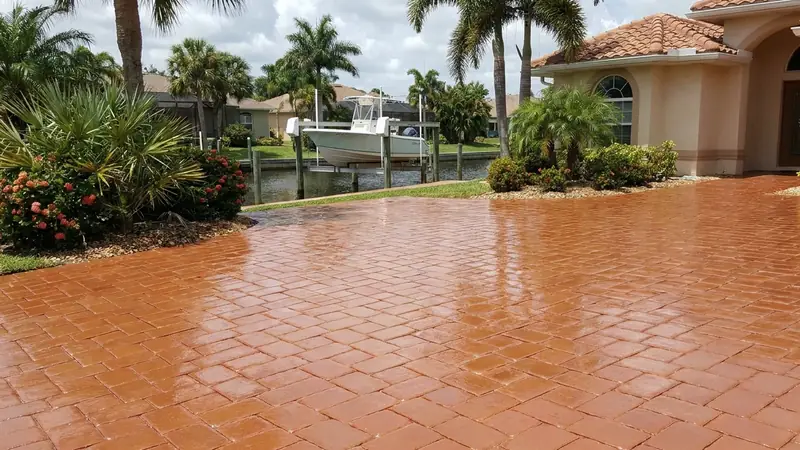
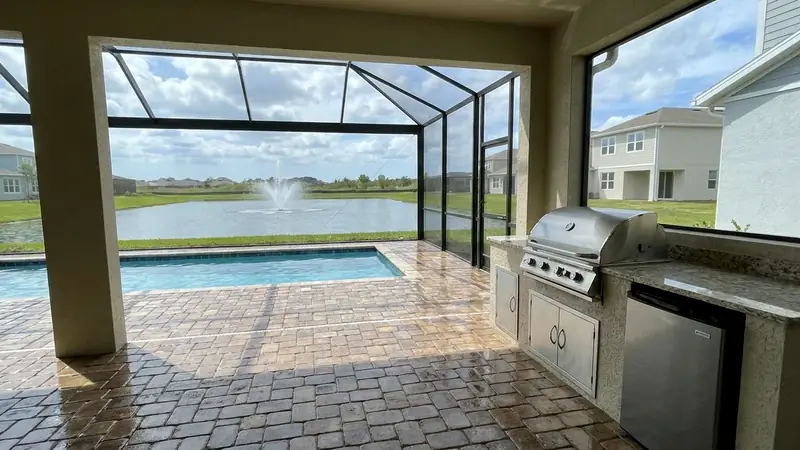
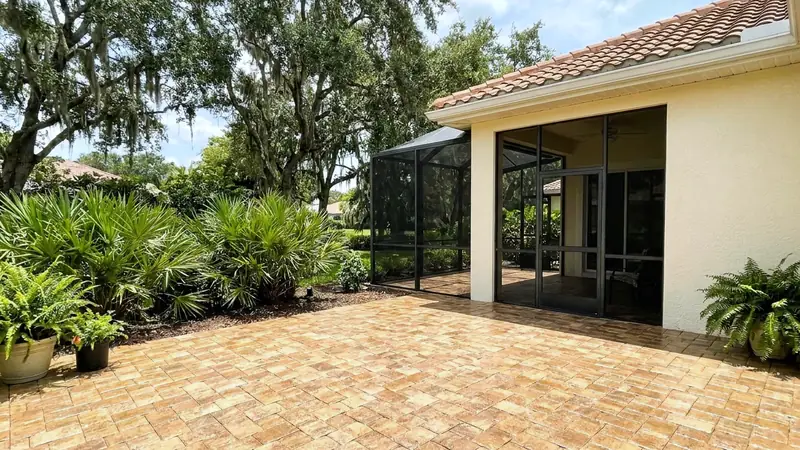
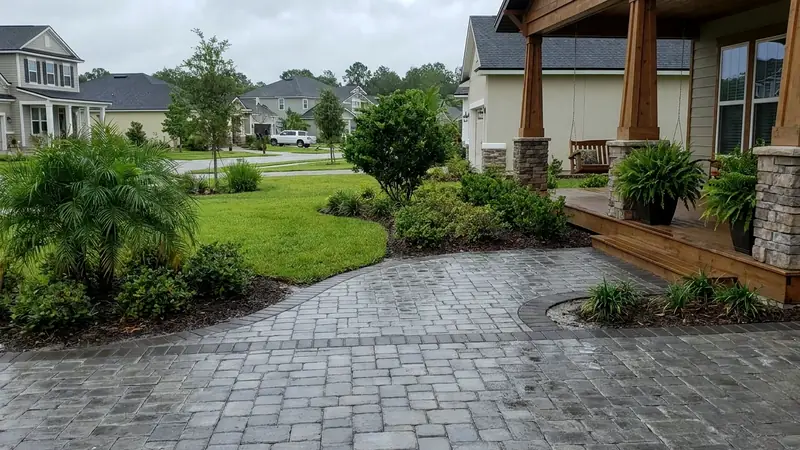
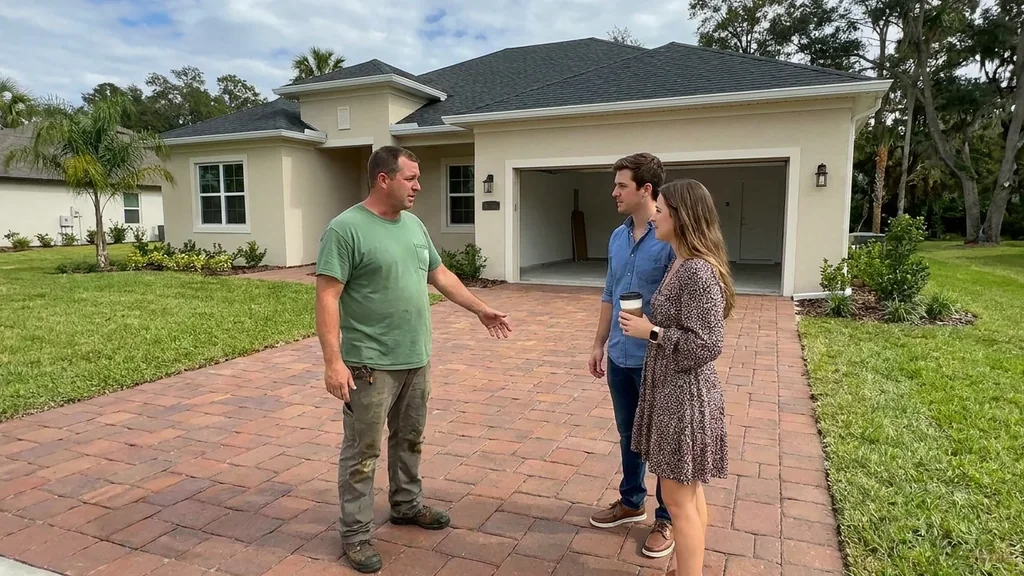
Why local matters in Lakewood Ranch
Because many builders worked in stages, no two Lakewood Ranch villages look alike. A contractor who has seen several knows which questions to ask before the first wash. Call (941) 214-2338 and describe your village.
Review rules matter, too. A cleaning company reports that several HOAs here look at driveway cleanliness, so timing a wash before a notice arrives can save a headache. To ask how that works in your village, request a free estimate.
Water is the other piece: the Braden River, retention ponds and daily summer rain all reach the pavers. Experienced local crews check moisture spots first. Send details about your lot when you request a free estimate, and weigh the price at your own pace.
What should a Lakewood Ranch homeowner know about the community's roots?
The land was a working ranch long before it was a neighborhood. John Schroeder assembled it in 1905 and the Uihlein family bought it in 1922. The community's own site lists cattle, citrus, tree and turf farming and mining in its past, and development began in 1994. For a home in one of the earliest villages, request a free estimate.
Today the community mixes homes with preserved land, with about 46 percent set aside for conservation and parks. It also holds Main Street, nearby University Town Center and the Braden River, which runs east to west through its southern part. Share the closest landmark to your street when you call (941) 214-2338.
Frequently Asked Questions
What does it cost to seal pavers in Lakewood Ranch?
Count on $1.50 to $3.00 per square foot to wash, sand and seal, the range published for Southwest Florida. A big drive with a lanai adds up faster than a small courtyard. Ask for the square footage and the sealer name in your quote so you can compare bids. Villages with wide aprons and side walks add up faster than the drive alone. A written quote also helps if your HOA asks what was done.
What is the average price for paver sealing in Lakewood Ranch?
The same range applies, and the final number follows the size and condition of the pavers. Weeds, old sealer and heavy green film add work, and a first seal on newer pavers is often simpler. A free estimate puts a real figure on your lot. The contractor can measure the drive, the lanai and any walks in one visit, then write the numbers down so you can keep them.
Is there a catch to sealing pavers in Lakewood Ranch?
The main downsides are upkeep and timing. Sealer wears down and needs renewing every few years. A wet finish shows tire marks sooner than a matte finish does. It also needs a dry surface, so a summer storm can push your date back. A shaded drive can also take longer to dry, which delays the start. None of that changes the result once the coat is on.
Is it good to seal pavers in Lakewood Ranch?
For most homeowners it is, since sealing helps hold joint sand and slows weeds, ants and fading. A Lakewood Ranch company says most pavers benefit from a new coat every two to three years. It will not fix a sunken or rocking paver, which needs a reset first. Sealing also needs a clean, dry surface, so the wash and the sand come before it.
How often should pavers be resealed in Lakewood Ranch?
Quotes across the region run from two to five years between coats. A Lakewood Ranch company says two to three years for most pavers, depending on sun and wear. A shaded, damp corner or a busy drive may call for the shorter span. A water test works too: if drops soak in and darken the pavers, the coat is spent.
Will my HOA care how my pavers look in Lakewood Ranch?
Possibly. A local cleaning company says several Lakewood Ranch HOAs include driveway cleanliness in their architectural review standards. Check your village's rules and ask about color and shine before you choose a finish. Your community manager can tell you whether pavers fall under review at all.
Can rust from sprinklers be removed before sealing in Lakewood Ranch?
Often it can. University of Florida extension says iron in irrigation water leaves orange stains, and the contractor treats them during the wash. Sealing first would lock the marks under the coat. Mention any streaks near sprinkler heads at the first visit.
Do I have to remove old sealer before a new coat?
It depends on what the earlier product was. The contractor identifies the old layer before choosing a new one. A peeling or cloudy coat usually needs stripping first. A label or receipt from the last sealing job can settle the question quickly.
Ready for a Free Estimate in Lakewood Ranch?
Call (941) 214-2338 and tell us about your pavers.
Free, no obligation